Geraghty Law Workplace" Preparing Event Wall Arrangements For Duplex Proprietors And Developers Real Estate & Business-trusted Legal Support-denver, Colorado
3 min read
When And Why You Need A 'Party Wall Surface Agreement' With Your Next-door Neighbors Each proprietor has ownership of the portion of the wall surface that rests on their land and has a legal right to make use of the component of the wall surface that is on the neighbor's residential or commercial property, unless there is a contract mentioning otherwise. We compose clear, enforceable agreements that cover all essential terms-- maintenance, access, changes, cost-sharing, and disagreement resolution. Our goal is to secure you from future liability and produce a legal structure that supports long-term building value and next-door neighbor collaboration.
Can my neighbour drill into my fencing blog post?
If you own the fence, your neighbor ought to ask prior to affixing anything to it. They must not drill, screw, nail, paint, hang planters, train plants or healthy screening without your permission. If they have already affixed something, start with a tranquil conversation. They might not know the fence comes from you.
Becoming Part Of A Business Lease: What To Know When Renting Industrial Residential Or Commercial Property
This paper needs to outline each celebration's legal rights and maintenance duties concerning shared wall surfaces, aiding to lessen conflicts.
While binding, Event Wall surface Agreements can generally be amended or ended by shared consent.
This post will briefly analyze celebration walls, their creation, and the legal rights and obligations of the proprietors of event wall surfaces.
In some circumstances celebration wall surface legal rights can be given by an authoritative easement.
This paper ought to describe each event's legal rights and maintenance duties concerning common walls, helping to reduce conflicts. By clearly defining who is accountable for what, a well-drafted contract can prevent numerous common concerns from developing. On the other hand, non-structural event wall surfaces mainly serve as sound and fire barriers, producing a more exclusive-- and safeguard-- living environment. These shared walls are common in domestic settings, where they separate devices while enhancing area. They shared survey costs may also include common floors and ceilings, further delineating possession and maintenance responsibilities.
Comprehending A Celebration Wall Award: An Extensive Guide
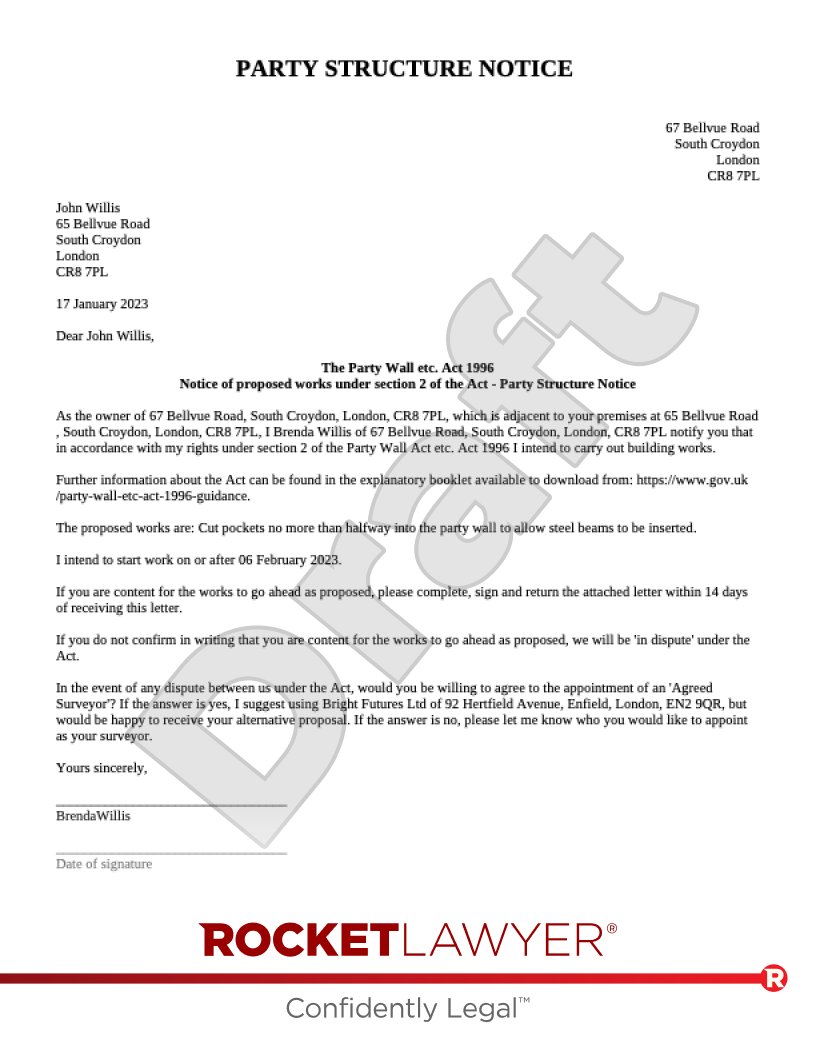
Modifications may be limited by building codes and policies, complicating your capacity to individualize your room. The potential downsides of common walls can be difficult and need mindful factor to consider. You might discover yourself in a conflict if your next-door neighbor translates the commitments laid out in the celebration wall agreement in different ways. Envision living in a cozy condominium where your living-room wall surface is shared with your neighbor's kitchen. This wall isn't simply a border; it's a party wall-- a structure you both own. On the upside, these walls usually provide much better insulation, and given regular apartment upkeep responsibilities, party wall maintenance expenses are most likely to be split. An Event Wall surface Arrangement is used to deal with or quit conflicts taking place between neighbours triggered by developing job that might influence the structural stability of their building. It is an official notification served to the owners of an adjacent property allowing them know about the organized job because of take place. While binding, Celebration Wall surface Agreements can normally be amended or ended by shared approval. Any type of changes have to be documented in composing and videotaped to continue to be legally enforceable. Well-drafted contracts also include systems for disagreement resolution-- such as mediation or settlement-- to stay clear of escalation of minor problems right into pricey lawsuits. In commercial homes, celebration walls are utilized to divide retail spaces or storehouses, improving safety and security and structural honesty in thick environments. Even if your wall is not architectural, it may work as a https://josuevtpx170.northvaledigest.com/posts/can-a-party-wall-agreement-be-spoken-call-currently fire or . Legal actions concerning party wall surfaces go back to a minimum of 1813 and a choice of the English Court of Common Appeals in Matts v. Hawkins, 5 Taunton 20 (1813 ). Ten years prior to the conflict reached court, Hawkins demolished his building, leaving the celebration wall standing. Later Matts, whose building still stood, began to expand the celebration wall surface upward to support a floor that Matts was contributing to his structure. When Matts began to reconstruct it, Hawkins tore it down once again, and Matts took legal action against Hawkins for trespass.